
Jamaica Real Estate Market Insights for 2025 Overcoming Challenges and Seizing Opportunities
- John Stamp
- Dec 23, 2025
- 3 min read

Jamaica’s real estate market in 2025 shows steady progress despite several challenges. Demand for homes and tourism-related properties remains strong, driven by local growth and investments from Jamaicans living abroad. At the same time, rising construction costs, limited affordable housing, and climate risks shape the market’s future. This post explores key trends, investment patterns, and the outlook for residential and commercial real estate across Jamaica.
Residential Market Trends in Urban Areas
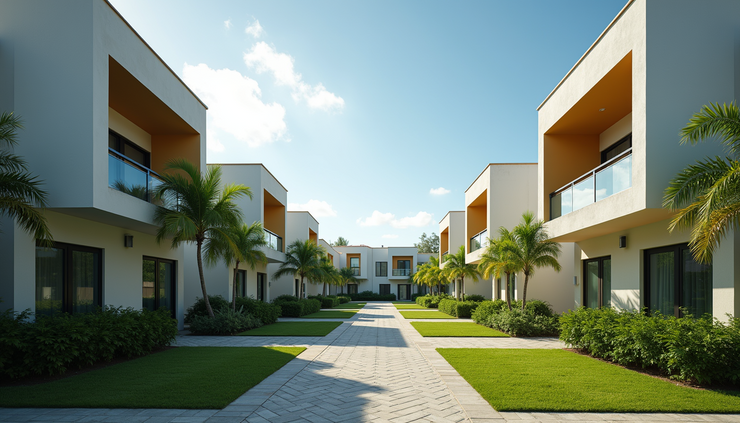
Urban centers like Kingston, St. Andrew, Portmore, Montego Bay, and Ocho Rios continue to attract buyers. These areas face more demand than available homes, especially for townhouses and apartments. Entry-level housing options remain scarce, making it harder for first-time buyers to enter the market.
Prices in popular neighborhoods keep rising, but sellers now need to price properties carefully to attract buyers quickly. Rental properties offer solid returns, with average yields between 6% and 7%. Short-term rentals, especially in tourist hotspots, outperform traditional long-term leases. This trend reflects the growing influence of platforms like Airbnb, which also raises concerns about housing availability for local residents.
Key points in residential market:
Strong demand in Kingston and coastal towns
Townhouses and apartments preferred by buyers
Limited affordable entry-level homes
Rental yields averaging 6% to 7%
Short-term rentals dominate tourism areas
Commercial and Mixed-Use Development
Kingston’s commercial real estate remains stable with renewed interest in flexible office spaces and mixed-use projects. Downtown Kingston benefits from government-led infrastructure upgrades and urban renewal efforts, attracting investors looking for long-term growth.
Mixed-use developments combining residential, retail, and office spaces are gaining popularity. These projects appeal to residents and businesses seeking convenience and modern amenities. Flexible office spaces also respond to changing work habits, offering adaptable environments for startups and remote workers.
Highlights in commercial real estate:
Stable office market in Kingston
Growing demand for mixed-use developments
Urban renewal projects boosting downtown investment
Flexible office spaces for evolving work trends
Investment and Diaspora Activity
Jamaicans living abroad continue to play a vital role in the real estate market. Many invest in vacation homes or rental properties that generate income. New investment models, such as property-linked public offerings, provide smaller investors with easier access to the market.
Diaspora buyers often seek properties in popular tourist areas or urban centers with good infrastructure. Their investments help support local development and create rental opportunities. This steady flow of capital strengthens the market and encourages developers to meet demand.
Investment trends include:
Diaspora buyers driving vacation and rental property demand
Emerging public offerings linked to real estate
Focus on properties in tourism and urban hubs
Increased capital supporting local development
Challenges Facing the Market
Despite positive trends, the market faces several obstacles. Construction costs have risen sharply due to material shortages and supply chain issues. These increases make it harder for developers to build affordable housing and push prices higher.
Financing remains cautious. While mortgage access is stable, lenders focus on buyers with strong credit profiles. This limits options for middle- and lower-income Jamaicans who struggle to qualify for loans.
Housing affordability is a growing concern. Limited supply of entry-level homes and rising prices put homeownership out of reach for many. Addressing this gap requires coordinated efforts from developers, government, and financial institutions.
Climate Risks and Resilience
Jamaica’s location makes it vulnerable to hurricanes and climate-related events. The 2025 hurricane season highlighted the need for resilient building practices and risk management. Developers and investors increasingly consider climate factors when planning projects.
Building codes are evolving to improve safety and durability. Infrastructure upgrades also aim to reduce damage from storms and flooding. These efforts help protect property values and ensure long-term market stability.
What This Means for Buyers and Investors
For buyers, understanding local market dynamics is crucial. Urban areas offer opportunities but require careful budgeting and timing. Short-term rental properties can provide attractive income but come with regulatory and community considerations.
Investors should watch for new public offerings and mixed-use developments. These options offer diversified exposure and potential growth. Keeping an eye on construction costs and climate risks will help avoid surprises.
Developers need to balance demand with affordability and sustainability. Innovative building methods and partnerships can reduce costs and improve resilience. Supporting affordable housing projects will also expand the market and benefit communities.


Comments